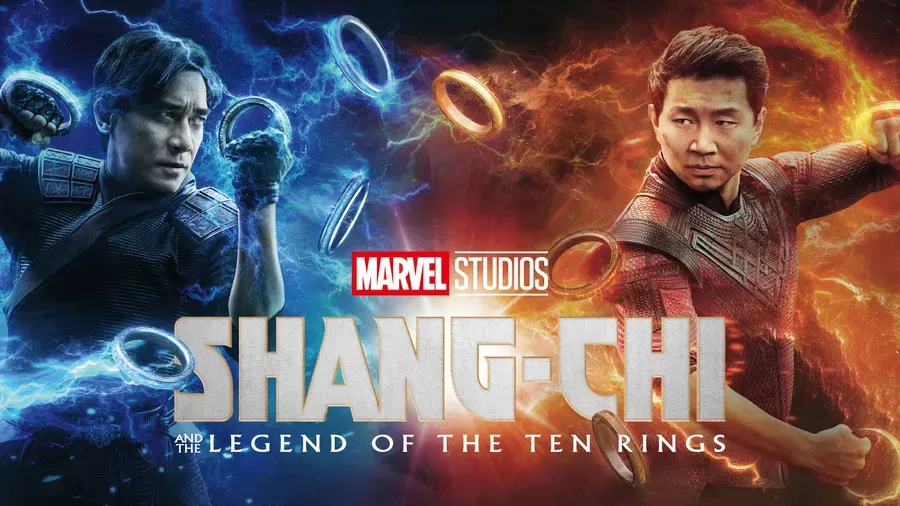
BERITAKULIAH.COM, Tangsel — Shang-Chi and the Legend of the Ten Rings (2021), directed by Destin Daniel Cretton, presents a superhero narrative centered on emotional conflicts among family members. The main theme of the movie focuses on how Shang-Chi suffers from inherited trauma because of his father, Wenwu. Wenwu’s unresolved grief following the death of his wife becomes the origin of emotional repression, violence, and rigid authority within the family.
The trauma definition by Cathy Caruth describes the experience as one that people fail to process properly at the time of occurrence, and it continues to affect their behavior through unconscious and disruptive patterns (Caruth, 1996). Wenwu’s obsessive actions and emotional rigidity exemplify this return of trauma, as his past loss continuously governs his relationship with his children. The film presents trauma as a social and cultural legacy that operates through patriarchal systems instead of showing it as personal mental damage. This essay argues that trauma in Shang-Chi and the Legend of the Ten Rings functions as an inherited and intergenerational burden shaped by patriarchal authority and unresolved grief.
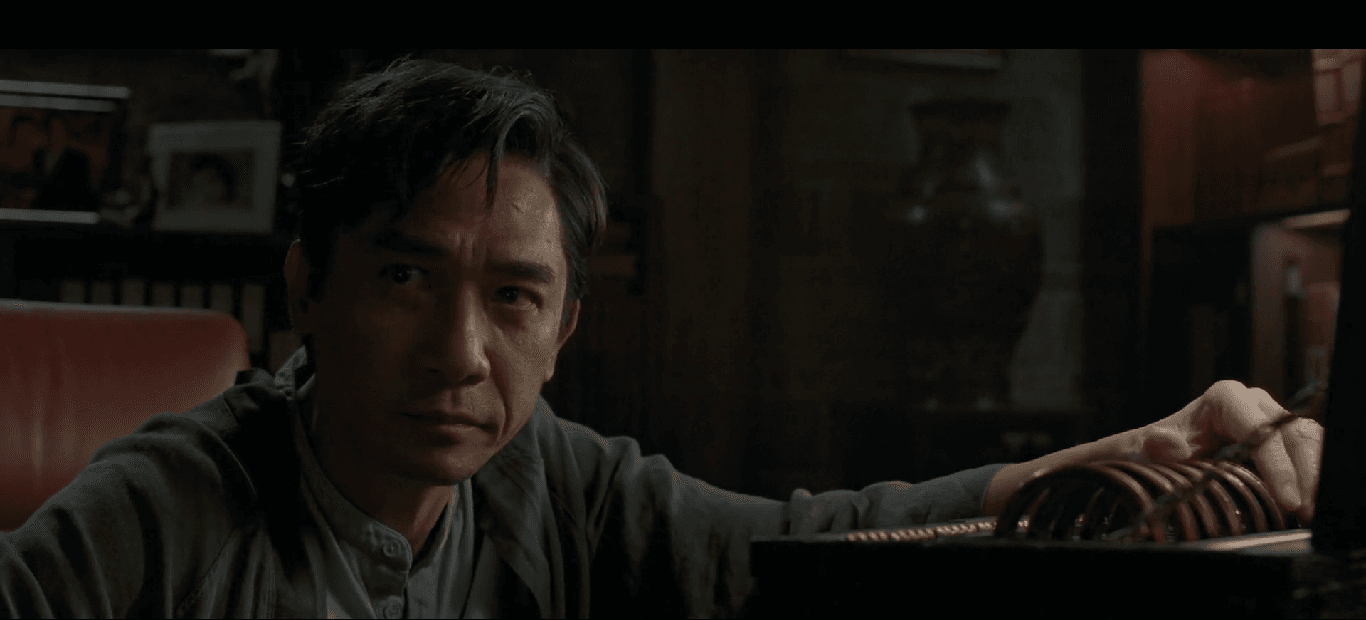
Figure 1.
Wenwu’s vengeance.
Note. Wenwu reactivated the Ten Rings. From Shang-Chi and the Legend of the Ten Rings [01:24:27], by Destin Daniel Cretton (Director), 2021.The scene above depicts the death of Ying Li, Wenwu’s wife and mother of Shang-Chi and Xialing, which caused the family to experience a complete life transformation that turned their peaceful existence into a series of sorrowful events. Wenwu believed his actions opened the path for his enemies to seek revenge, which ultimately caused his wife’s death, as reflected in his words, “If I hadn’t taken them off, those men wouldn’t have dared to do this. And now they will pay for it.” [01:24:27–01:26:40]. Wenwu shows his feelings of sorrow and guilt in his words, which lead him to seek revenge against the people who caused Ying Li’s death. This intense sorrow causes him to change his behavior toward his children, especially Shang-Chi, whom he teaches vengeance through the statement, “A blood debt has to be paid by blood. Will you help me?” [01:25:55–01:26:03]. Following Ying Li’s death, Wenwu trained Shang-Chi in martial arts from the age of six until fourteen, as shown through Shang-Chi’s dialogue, “I was taught every possible way to kill a man.” [00:24:47–00:24:49], while Xialing was forbidden to join the training and instead observed and taught herself. At the age of fourteen, Shang-Chi was sent on his first mission to America, and through the dialogue, “I knew that I couldn’t go back to him, so I just.. ran” [00:26:38–00:26:44], his escape functions as resistance to Wenwu’s violent parenting and illustrates Cathy Caruth’s idea that trauma manifests through avoidance and delayed responses as the subject seeks distance from unresolved psychological pain (Caruth, 1996).
Figure 2
Wenwu’s moment of realization.
Note. Shang-Chi reveals what they have needed all along. From Shang-Chi and the Legend of the Ten Rings [01:47:22], by Destin Daniel Cretton (Director), 2021. The film follows Wenwu through his long-lasting sorrow, which he experiences until the story reaches its conclusion, as he describes to his children how his wife Ying Li contacted him during his investigation of Ta Lo. This Earth-based alternate dimension requires special access and serves as Ying Li’s home-world. Through the dialogue, “I was sitting right here in this seat, deep in my research… and she spoke to me.” [00:50:58–00:51:06], Wenwu reveals his belief that the voice he heard was truly his wife’s, further supported by his statement, “She told me she needs my help. To save her from her people.” [00:51:16–00:51:24]. The voice turned out to be an illusion used by Dweller of the Darkness from Ta Lo to manipulate Wenwu during his intense mourning period, which led him to believe that Ta Lo had caused his wife’s death, as seen in his dialogue, “She would still be with us. We would all be living there together. Ta Lo did this to us. They locked her behind that gate to punish her.” [00:51:40–00:51:51]. Wenwu launches an attack on Ta Lo and encounters Shang-Chi, who attempts to stop him, yet Wenwu remains trapped in the illusion as he insists, “I have to save her. She’s calling me.” [01:47:13–01:47:19]. Shang-Chi says, “I wish that were true. Dad, please. Your family needs you.” [01:47:22–01:47:32], a statement that has a huge emotional impact and becomes a moment of realization for Wenwu. These words make Wenwu realize that what his children have needed all along is his presence, not his obsessive efforts to bring back his deceased wife. Moments after that moment, the Dweller of the Darkness managed to escape from its cage and tried to devour Shang-Chi, but Wenwu managed to save his son by sacrificing himself. Wenwu’s death functions as a partial resolution of trauma, while Shang-Chi’s survival and moral choice signal the interruption of intergenerational trauma transmission, aligning with Caruth’s theory on trauma repetition (Caruth, 1996).
The main emotional conflict in Shang-Chi and the Legend of the Ten Rings centers on intergenerational trauma, which drives the characters’ actions and their connections with each other. Wenwu’s unresolved grief over the death of Ying Li becomes the origin of violence, emotional repression, and rigid control within the family, which reflects Cathy Caruth’s idea of trauma as an experience that continuously returns when it remains unprocessed (Caruth, 1996). The traumatic event that affected Wenwu also affected Shang-Chi throughout his life. Wenwu achieved partial closure from his trauma through his final act, as he placed his children above his obsession with what had happened before. The film demonstrates that trauma stands as a permanent issue that people can address through individual awakening, active opposition, and emotional healing.
References:
Caruth, C. (1996). Unclaimed experience: Trauma, narrative, and history. Johns Hopkins University Press.
Cretton, D. D. (Director). (2021). Shang-Chi and the Legend of the Ten Rings [Film]. Marvel Studios; Walt Disney Studios Motion Pictures.
Penulis: Nissa Amara Madania Mahasiswa Sastra Inggris Universitas Pamulang
Editor: Bifanda Ariandhana, Tim BeritaKuliah.com
Follow WhatsApp Channel
BeritaKuliah.com
untuk update berita terbaru setiap hari